The Top Career & Job Opportunities After BCA
Your Future in Tech: The Top Career & Job Opportunities After BCA
A Bachelor of Computer Applications (BCA) degree is your launchpad into the fast-paced, ever-evolving world of technology. You've spent three years building a solid foundation in programming, database management, and network fundamentals. Now, you're standing at a crossroads, wondering, "What's next?"
The good news is that the IT industry is booming, and your BCA degree has made you a valuable candidate for a wide range of roles. Whether you're a coding enthusiast, a data wizard, or a security hawk, there’s a place for you.
This guide will walk you through the most popular job roles, the skills you need to land them, and the paths you can take to supercharge your career.
🚀 Top Job Roles for BCA Graduates
Your BCA is a versatile degree that opens doors to many different areas of IT. Here are some of the most common and in-demand career paths for fresh graduates.

1. Software Developer
This is one of the most popular routes for BCA graduates. As a software developer, you will be the creative mind behind computer programs. You'll be involved in the entire software development lifecycle (SDLC)—from designing and coding to testing and maintenance.
Key Responsibilities: Writing clean, efficient code; debugging and upgrading existing software; and collaborating with teams to build new applications.
Skills Needed: Strong proficiency in programming languages like Java, Python, or C++, along with a good understanding of data structures and algorithms.

2. Web Developer
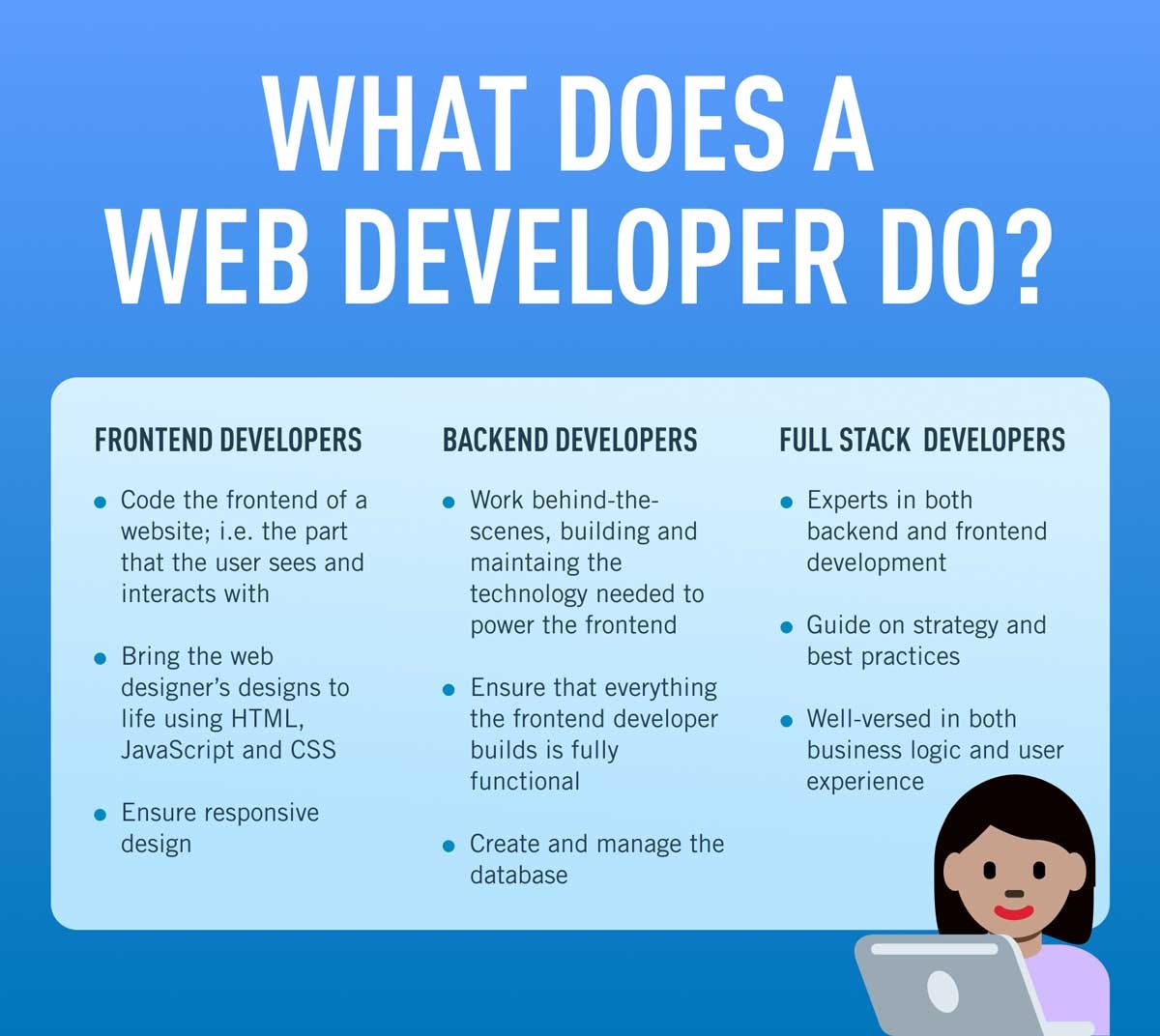
If you love the idea of building websites and web applications, this is the role for you. Web developers can specialize in front-end (what the user sees), back-end (the server-side logic), or full-stack (a bit of both).
Key Responsibilities: Designing user interfaces, building website back-ends, and managing databases.
Skills Needed:
Front-End: HTML, CSS, JavaScript (and frameworks like React or Angular).
Back-End: Python (Django/Flask), Node.js, or PHP, along with database knowledge (SQL).
3. Data Analyst
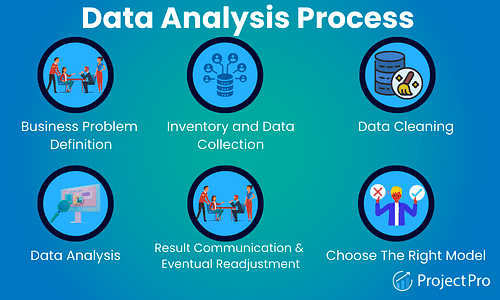
Companies are collecting more data than ever, and they need people who can make sense of it. A data analyst sifts through vast amounts of data to find patterns, trends, and insights that can help businesses make better decisions.
Key Responsibilities: Collecting and cleaning data, performing statistical analysis, and creating visualizations (charts, graphs) to present your findings.
Skills Needed: Strong SQL for database queries, proficiency in Python (with libraries like Pandas) or R, and experience with visualization tools like Tableau or Power BI.
4. Cybersecurity Analyst
As our world becomes more digital, the need for cybersecurity has skyrocketed. In this role, you are the digital guardian, protecting an organization's computer systems and networks from cyber threats and data breaches.
Key Responsibilities: Monitoring network traffic, investigating security alerts, and implementing security measures like firewalls and encryption.
Skills Needed: A deep understanding of network security, operating systems, and ethical hacking principles.

5. Network Administrator
Ever wondered who keeps the office Wi-Fi and servers running smoothly? That's the network administrator. You'll be responsible for setting up, maintaining, and securing the company's computer network.
Key Responsibilities: Installing and configuring network hardware (routers, switches), troubleshooting network issues, and ensuring network performance and security.
Skills Needed: Knowledge of networking protocols (TCP/IP), and familiarity with network hardware and operating systems like Windows Server or Linux.
:max_bytes(150000):strip_icc()/network-administrator-525818-final1-9f56133a32c945b797185211794afaa1.png)
6. System Analyst
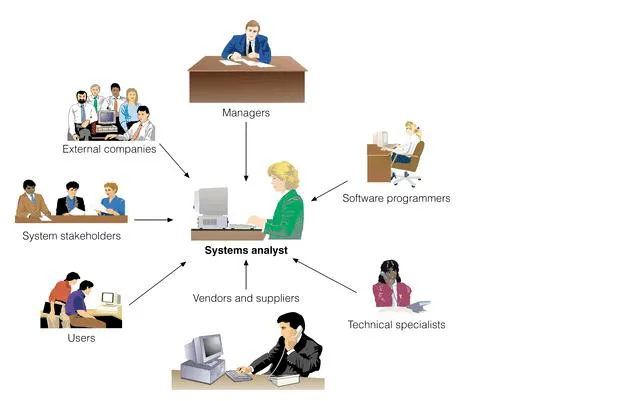
A system analyst acts as the bridge between the IT department and the business side of a company. You'll analyze how new or existing technology systems fit the needs of the business, helping to improve efficiency and solve problems.
Key Responsibilities: Researching and evaluating new technologies, designing system solutions, and overseeing their implementation and testing.
Skills Needed: A strong mix of technical knowledge, business acumen, and excellent communication skills.
💡 Beyond the Job: Should You Pursue Further Education?
Graduating with a BCA doesn't mean your learning journey is over. While you are absolutely job-ready, pursuing a master's degree can unlock senior-level positions and significantly higher salaries.
Master of Computer Applications (MCA): This is the most natural next step. An MCA provides deep specialization in subjects like artificial intelligence, machine learning, and advanced software engineering, making you an expert in your chosen field.
Master of Business Administration (MBA): If you're interested in the business side of tech, an MBA in IT or Systems Management is a fantastic choice. This path prepares you for management and leadership roles, such as IT Project Manager or Chief Technology Officer (CTO).
Professional Certifications: Don't have time for a full-time master's? You can still boost your resume with industry-recognized certifications.
Cloud: AWS Certified Solutions Architect or Microsoft Azure Administrator.
Cybersecurity: CompTIA Security+ or Certified Ethical Hacker (CEH).
Project Management: PMP or PRINCE2.

🔑 The Skills That Get You Hired
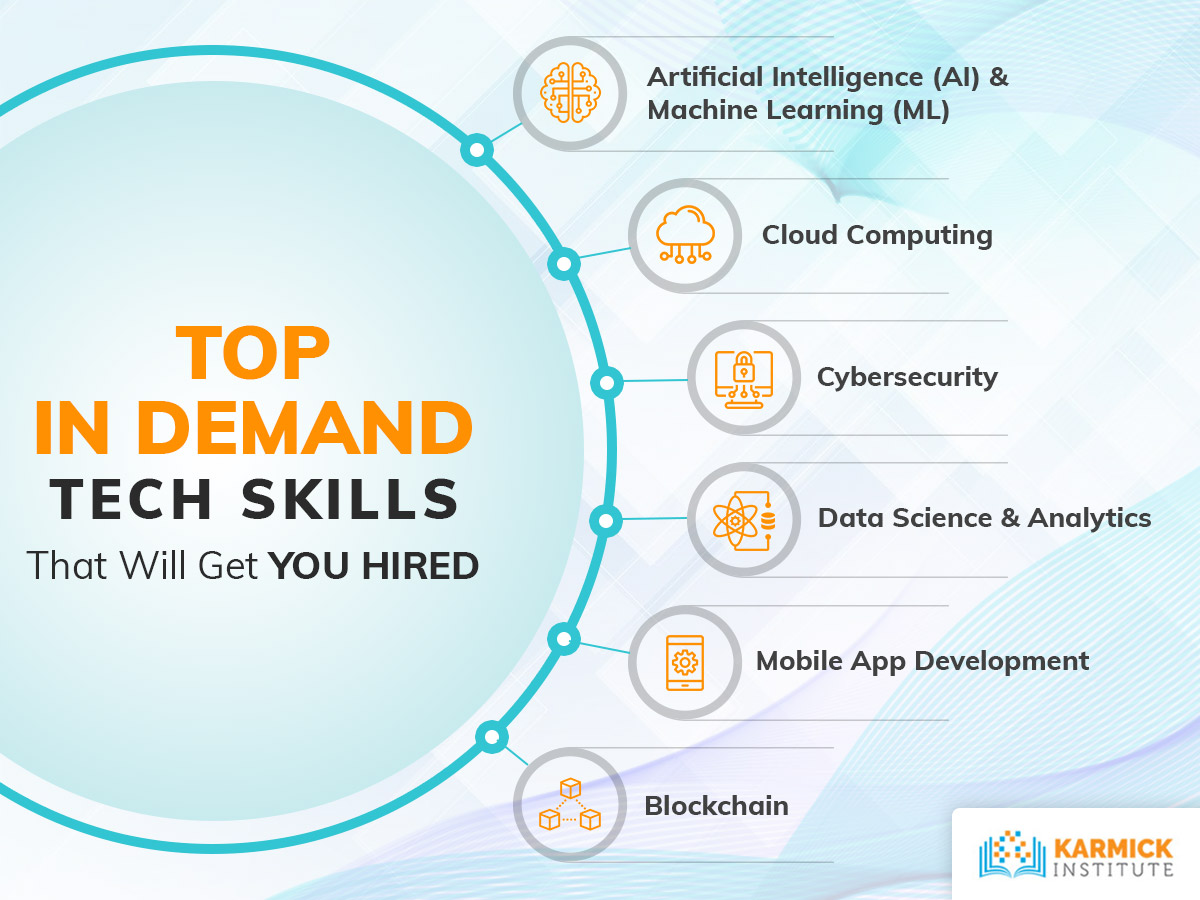
Your degree gets you the interview, but your skills get you the job. Here’s what top tech companies like TCS, Infosys, Wipro, Google, and Microsoft are looking for.
| Technical Skills | Soft Skills |
| Programming: Java, Python, C++, C# | Problem-Solving: The ability to analyze a complex problem and find a logical solution. |
| Web Development: HTML, CSS, JavaScript, React | Communication: Clearly explaining complex technical ideas to non-technical colleagues. |
| Databases: SQL (MySQL, PostgreSQL) | Teamwork: Collaborating effectively on projects with other developers, designers, and managers. |
| Cloud Computing: Basics of AWS, Azure, or Google Cloud | Adaptability: Being a quick learner who can keep up with new technologies and tools. |
| OS: Strong knowledge of Windows, Linux, and/or macOS | Attention to Detail: Writing code that is not just functional, but also clean and bug-free. |
Conclusion: Your Future is Bright
A BCA degree is more than just a piece of paper; it's a ticket to a rewarding and future-proof career. The opportunities are vast, from building the next great app as a software developer to protecting data as a cybersecurity expert.
Focus on building your practical skills, create a portfolio of projects to showcase your abilities, and never stop learning. Your journey in tech is just beginning.
This video discusses various career choices available after a BCA, which can help you explore the paths mentioned in the blog.


No comments